Bourbon School
Everything you need to understand what's in your glass.
Start with the fundamentals. Follow your curiosity. Or search for the thing you were wondering about while standing in the bourbon aisle.
Bourbon Dictionary
The words behind the whiskey.
Proof. Mash. Cooperage. NDP. Rickhouse. Bung. White dog. If bourbon people are speaking another language, start here.
Open the Dictionary →Start Learning
Start here.
Explore the Curriculum
Nine areas. Growing every issue.
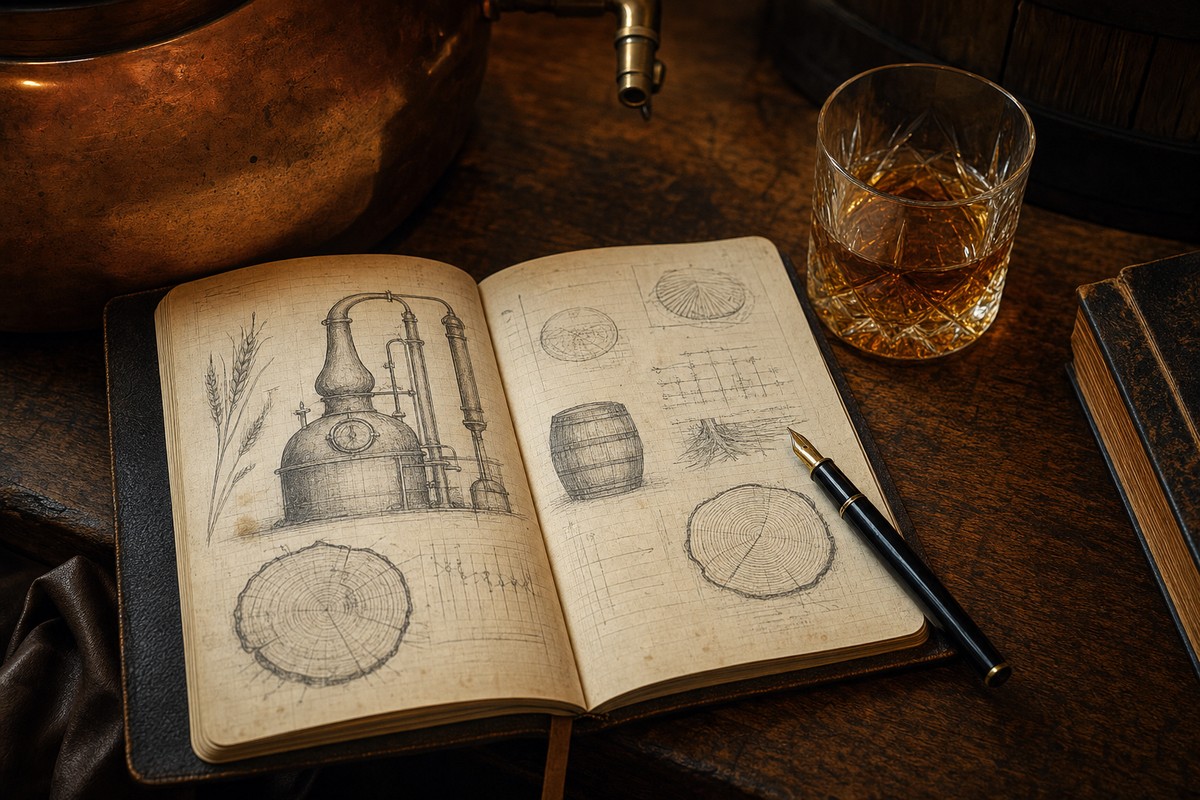
Start Here
The foundational path — what bourbon is, how it’s made, and how to taste and read one.
2 lessons available
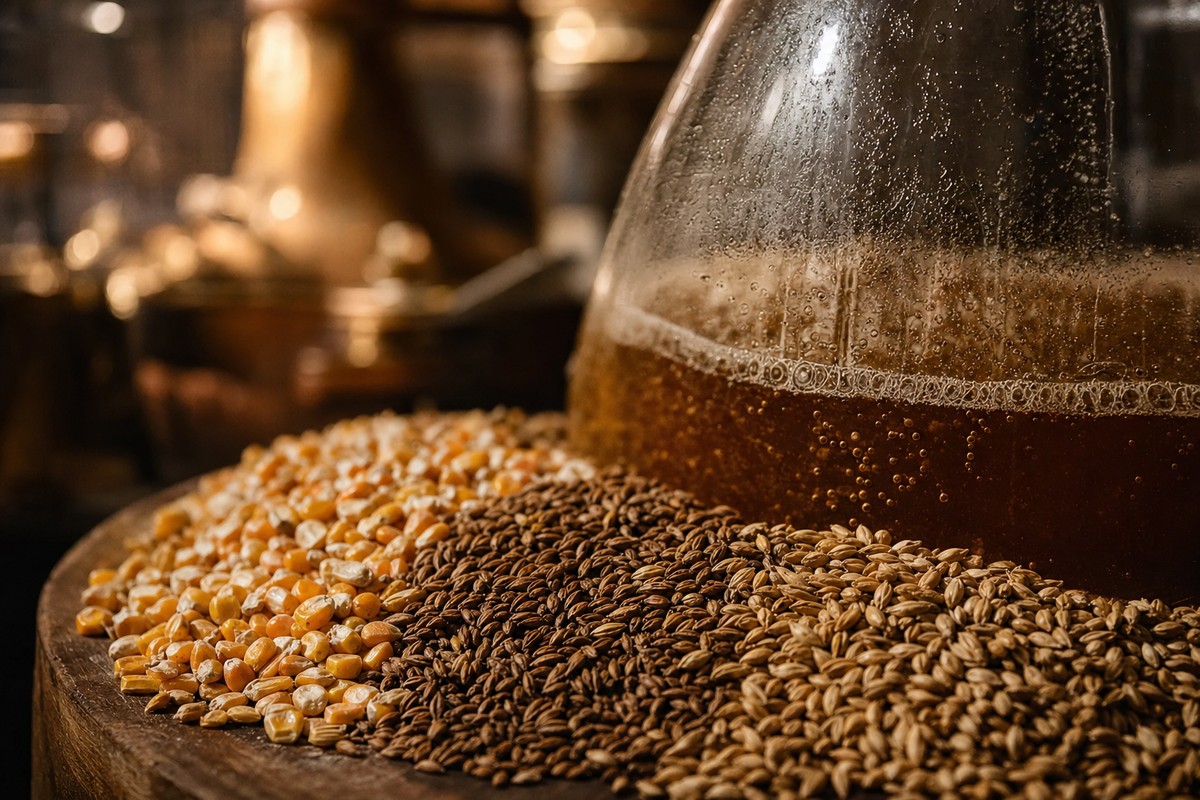
Grain & Fermentation
Corn, rye, wheat, malted barley, mash bills and the yeast that turns grain into flavor.
5 lessons available
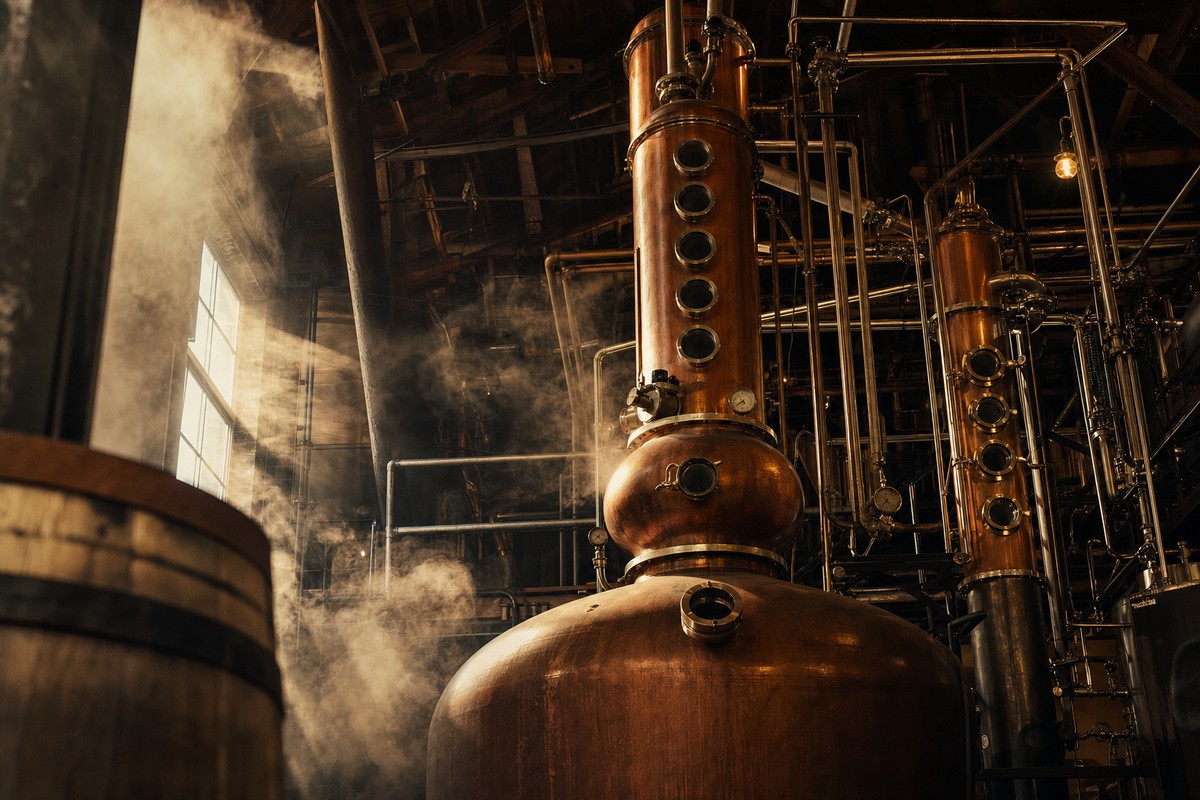
Distillation
Stills, cuts and proof — how a fermented beer becomes new-make whiskey.
More lessons coming soon
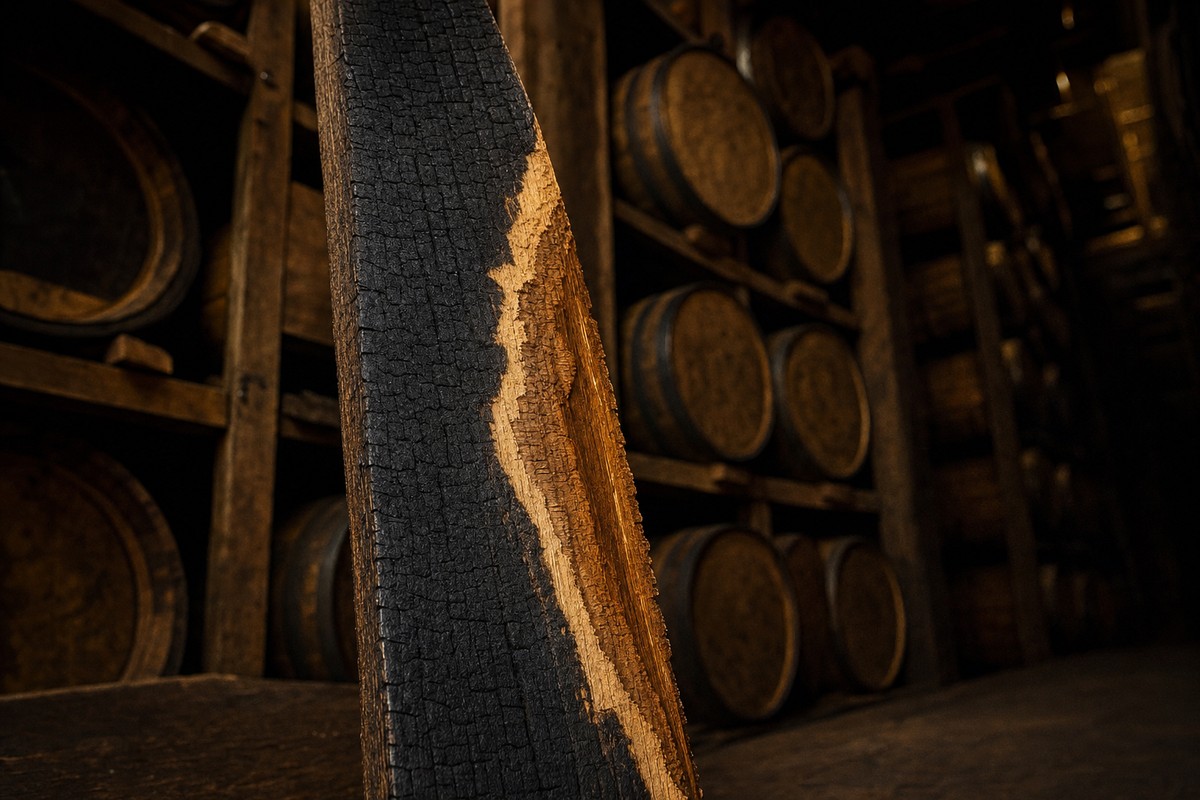
Barrel & Maturation
Oak, toast, char and time — what the barrel actually contributes to bourbon.
4 lessons available
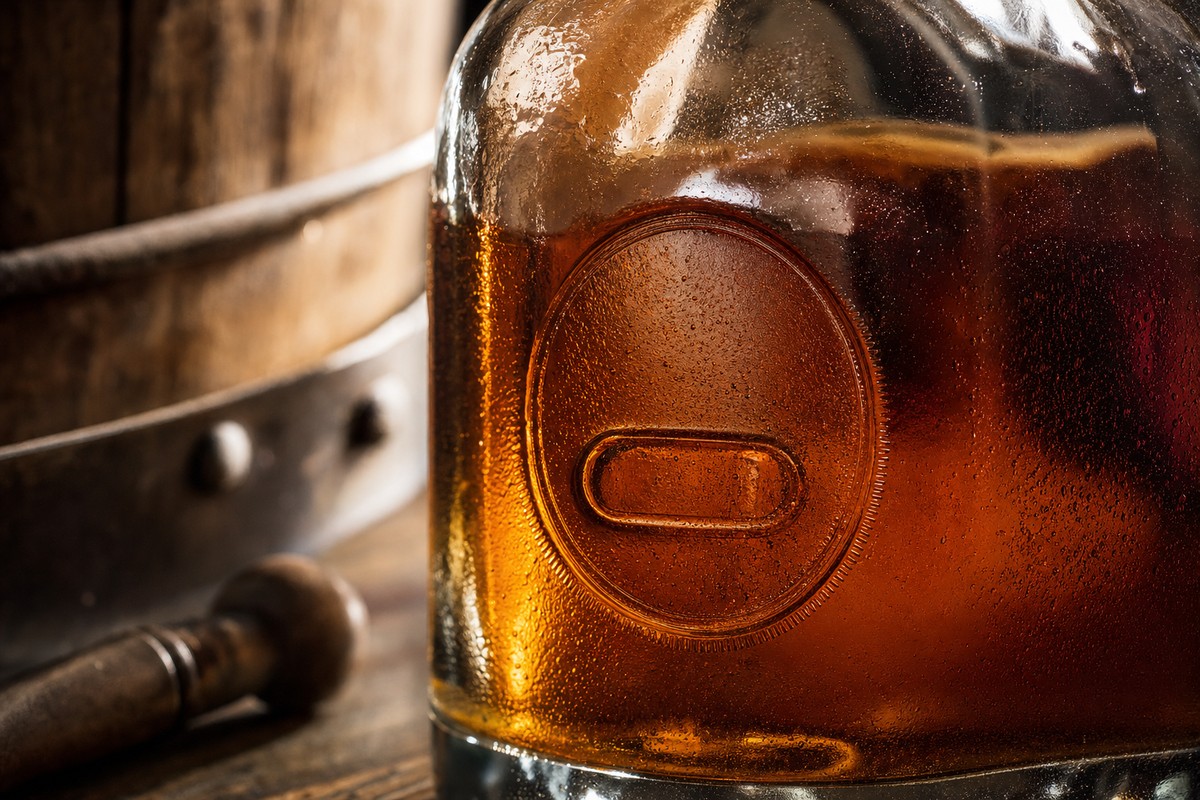
The Bottle
Proof, age statements, Bottled-in-Bond, Single Barrel and everything else on the label.
5 lessons available
Producers & the Business
Distillers, NDPs, sourced whiskey and who actually made what’s in your glass.
4 lessons available
Tasting & Flavor
Nose, palate, finish and a real framework for comparing bottles side by side.
2 lessons available
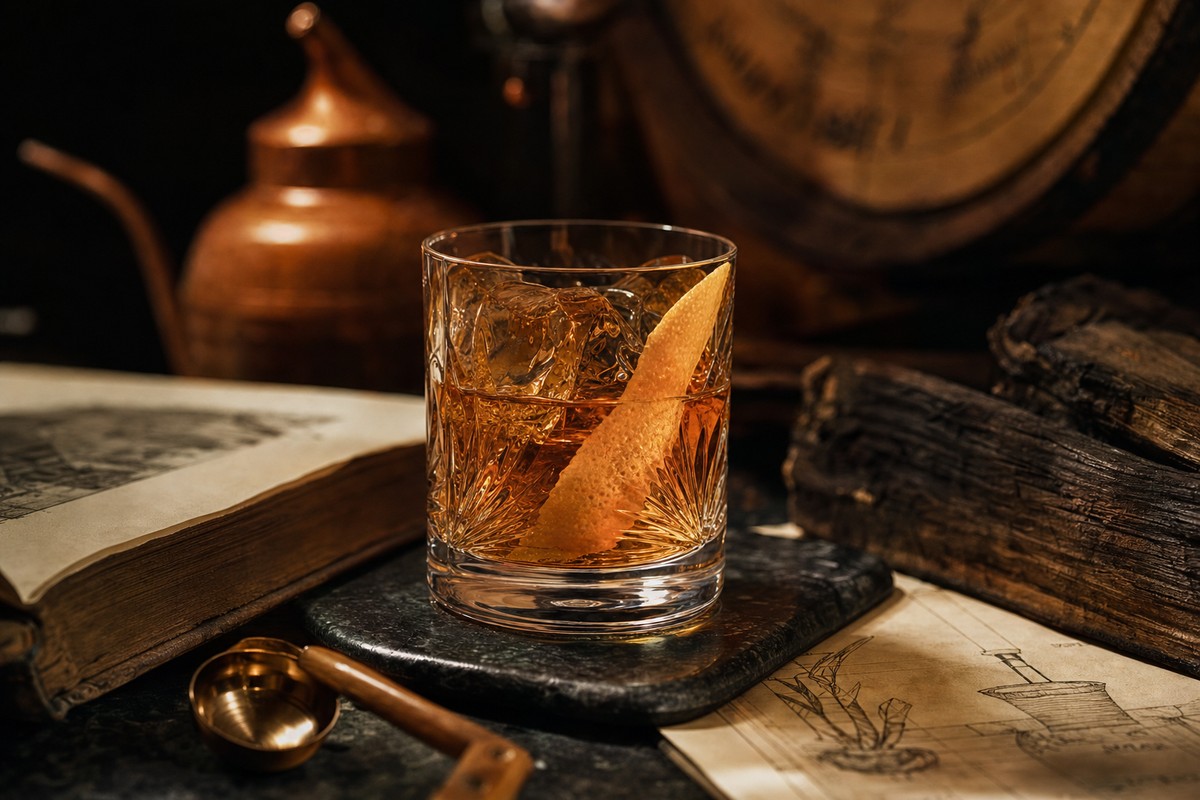
Cocktails
How bourbon character, story and season should choose the cocktail — not the reverse.
1 lesson available
Collect Smarter
Store picks, allocation and evaluating a bottle on more than price or hype.
2 lessons available
01 · Start Here
Start Here
- How Bourbon Is Made Beginner
Bourbon is made by mashing and fermenting a grain recipe, distilling the result, aging it in new charred oak, then selecting and blending barrels — and each of those steps is a real flavor variable, not just a production stage.
- What Is Bourbon? Beginner
Bourbon is a whiskey made in the United States from a grain recipe that's at least 51% corn, distilled to no more than 160 proof, aged in new charred oak containers, and bottled at no less than 80 proof, with nothing added but water.
02 · Grain & Fermentation
Grain & Fermentation
- Rye in Bourbon Beginner
Rye is the grain distillers add to counter corn's sweetness with spice, pepper and a drier finish, and the more rye in the mash bill, the more that character tends to assert itself.
- What Is a Mash Bill? Beginner
A mash bill is the grain recipe behind a bourbon — corn plus rye or wheat plus malted barley — and the ratio between them is one of the biggest levers a distiller has over flavor.
- Wheat in Bourbon Beginner
Wheat is the grain distillers swap in for rye when they want structure without spice — it tends to soften bourbon, trading pepper and heat for perceived sweetness and a rounder, gentler texture.
- Yeast & Fermentation Intermediate
Fermentation is where yeast converts grain sugars into alcohol and, along the way, produces flavor-active byproducts — meaning the yeast strain a distillery uses is a real flavor variable, not just a mechanical step.
- Yeast Strain vs. Yeast Culture Advanced
A yeast strain is a specific genetic population; a culture is what you get after propagating it, batch after batch, for years — and the longer a culture has been propagated, the less certain any claim of unbroken genetic continuity to a historical strain actually is.
04 · Barrel & Maturation
Barrel & Maturation
- Barrel Entry Proof Intermediate
Barrel entry proof is how strong the whiskey is when it goes into the barrel — legally capped at 125 proof — and it's a real flavor decision from day one, not just a number that matters at bottling.
- Char Levels Beginner
Char levels (commonly #1 through #4, with #4 nicknamed 'alligator char') are a cooperage's shorthand for how intensely a barrel's interior was burned — but a higher number doesn't automatically mean more flavor.
- The Angel's Share Beginner
The Angel's Share is the portion of bourbon — typically 2–4% of a barrel's volume per year in Kentucky — that evaporates through the oak while it ages.
- Toast vs. Char Beginner
Toast is lower-intensity heat applied longer; char is intense flame applied briefly to carbonize the barrel's surface — they're different heat treatments, not two names for the same fire.
05 · The Bottle
The Bottle
- Age Statements & NAS Beginner
An age statement tells you the youngest whiskey in the bottle spent at least that long in new charred oak — it's a floor on time, not a measure of quality or a description of how that time was spent.
- Barrel Proof / Cask Strength Beginner
Barrel proof (or cask strength) means the whiskey was bottled at whatever proof it happened to reach in the barrel, with no water added to adjust it down — which is not the same claim as 'full proof.'
- Bottled-in-Bond, Explained Beginner
Bottled-in-Bond bourbon is whiskey from one distilling season, by one distiller, at one distillery, aged at least four years, bottled at exactly 100 proof with nothing added but water, and labelled with the plant where it was made.
- Single Barrel Beginner
Single Barrel means every bottle in that release came from one specific barrel rather than a blend of many, so barrel-to-barrel variation is part of the product, not a flaw in it.
- Small Batch Beginner
Small Batch means a bottle was blended from a deliberately limited number of barrels rather than a brand's full standard blend — but there's no legal definition of how small 'small' has to be.
06 · Producers & the Business
Producers & the Business
- How a Brand Outlives Its Distillery Intermediate
A whiskey trademark can be abandoned when a company fails and then registered years later by someone unconnected to it, which is why a bottle's founding date may describe a distillery that no longer exists rather than the business selling you the whiskey.
- How to Read a Bourbon Family Tree Intermediate
A distilling family's name can connect two bourbons through family, ownership, production, brand or knowledge — five genuinely different relationships that a family tree collapses into one line unless you keep them separate on purpose.
- NDPs & Sourced Whiskey Intermediate
An NDP — non-distiller producer — is a brand that sells whiskey it bought from another distillery rather than distilling itself, and 'sourced whiskey' just means the liquid in your bottle wasn't made where the label was designed.
- Rectifiers & Pre-Prohibition Whiskey Intermediate
A rectifier was a middleman who bought bulk spirit and blended, flavoured or coloured it for sale under his own branding — a legal and widespread trade whose worst practices drove the consumer-protection laws that still shape whiskey labels today.
07 · Tasting & Flavor
Tasting & Flavor
- How to Taste Bourbon Beginner
Tasting bourbon on purpose means separating nose, palate and finish, tasting neat before adding anything, and — whenever you can — comparing two bottles that differ in only one variable instead of tasting randomly.
- What Proof Changes Beginner
Proof shows up at three different points — entering the barrel, however the barrel happens to mature it to, and however it's diluted for bottling — and each of those is a separate decision that changes the whiskey differently.
08 · Cocktails
Cocktails
- Choosing Bourbon for a Cocktail Beginner
Choose a cocktail by asking what you want the bourbon to reveal, contrast or survive — its character, the story you're telling, and the season — and only then pick the format, rather than defaulting to whichever cocktail is most familiar.
09 · Collect Smarter
Collect Smarter
- Dating a Bottle Intermediate
Subtracting the age statement from the bottling date gives you the latest the youngest whiskey in the bottle could have been distilled — not an exact year and not a bounded window, because older components may be present and the bottling date itself is usually estimated.
- How to Evaluate a Bottle Intermediate
Evaluate a bottle by weighing what it actually offers — production transparency, age, proof, and how it compares to its own reference price — against a personal Buy / Fair / Pass ceiling, rather than by price or hype alone.