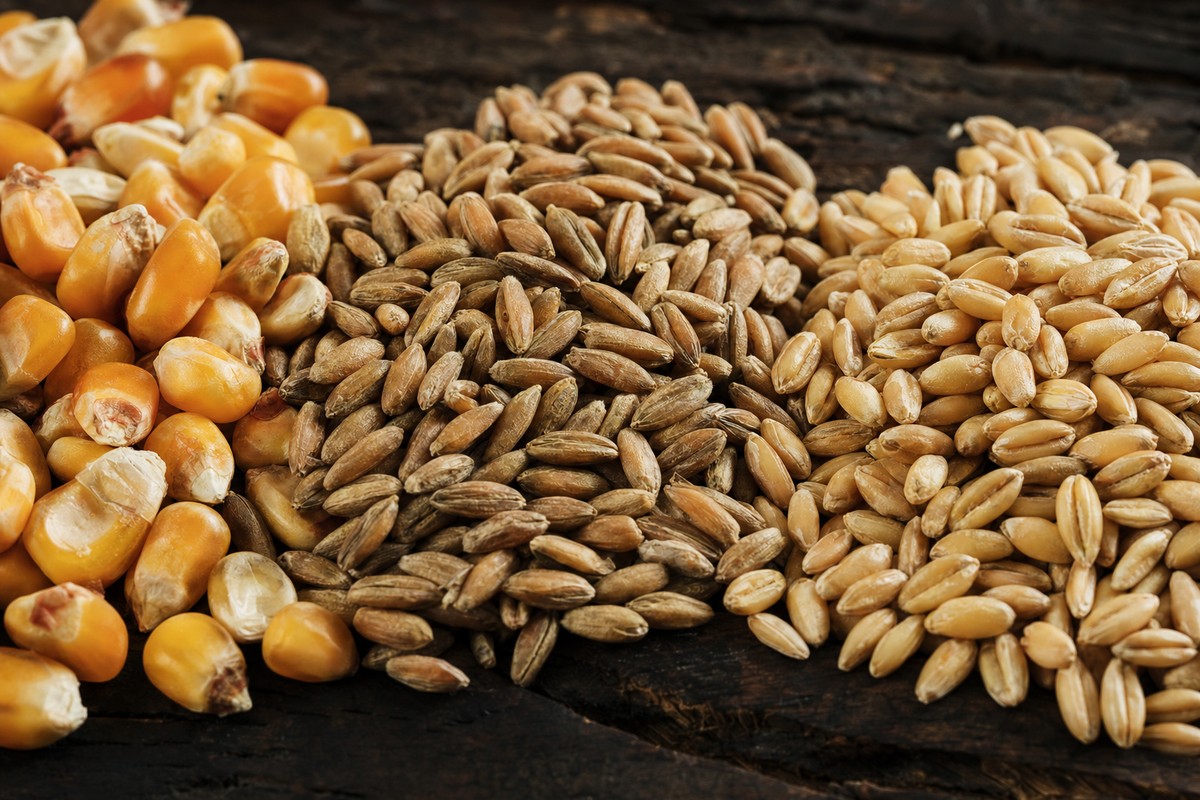
Wheat is what a distillery reaches for when it wants rye’s structure without rye’s spice. Swapped in for rye entirely, wheat tends to soften the whiskey: less pepper and heat, more perceived sweetness, and flavors that lean toward bread, pastry, and a rounder, gentler texture on the palate. This is the “wheated bourbon” style that built brands like Weller’s reputation.
Ledger Example
Wheated and high-wheat are not the same thing.
| Bottle | Corn | Wheat | Malted Barley |
|---|---|---|---|
| Bardstown Wheated Bottled-in-Bond | 68% | 20% | 12% |
| Bardstown High Wheat | 53% | 39% | 8% |
| Willett Pot Still Reserve | 65% | 20% | 15% |
Bardstown’s own lineup shows the range inside “wheated” alone — High Wheat pushes corn down to just two points above bourbon’s legal 51% floor. Willett offers a third balance again, with a notably higher malted barley share layered on top.
Corn percentage alone won’t tell you everything — but the mash bill is the first and most useful data point.
Why It Matters
Softer isn’t automatically better — it’s a different bet.
If you find high-rye bourbon too sharp or peppery, a wheated bottle is the most reliable way to stay in bourbon’s traditional flavor family while trading spice for roundness. It’s a different bet on what makes bourbon enjoyable, not an upgrade over rye.