Archive
All Issues
The full Bourbon Ledger issue sequence, in order. Issues not yet written are clearly marked as prototype entries.
-
Issue No. 12 · October 15, 2026
Russell’s Reserve: The Art of Knowing When to Stop
Subject: Russell’s Reserve
Russell’s Reserve 10 Year is already a mature Kentucky straight bourbon. So why does the same family bottle whiskey at thirteen and fifteen years? The answer is that age is a number and maturity is a judgment, and only one of them appears on the label.
-
Issue No. 11 · October 8, 2026
The Ghost in the Bottle
Subject: Stitzel-Weller
Stitzel-Weller isn't a flavor, a brand, or even one whiskey. It's a provenance claim — and the word does more work on a price tag than it does on a label. Here's how to test it.
-
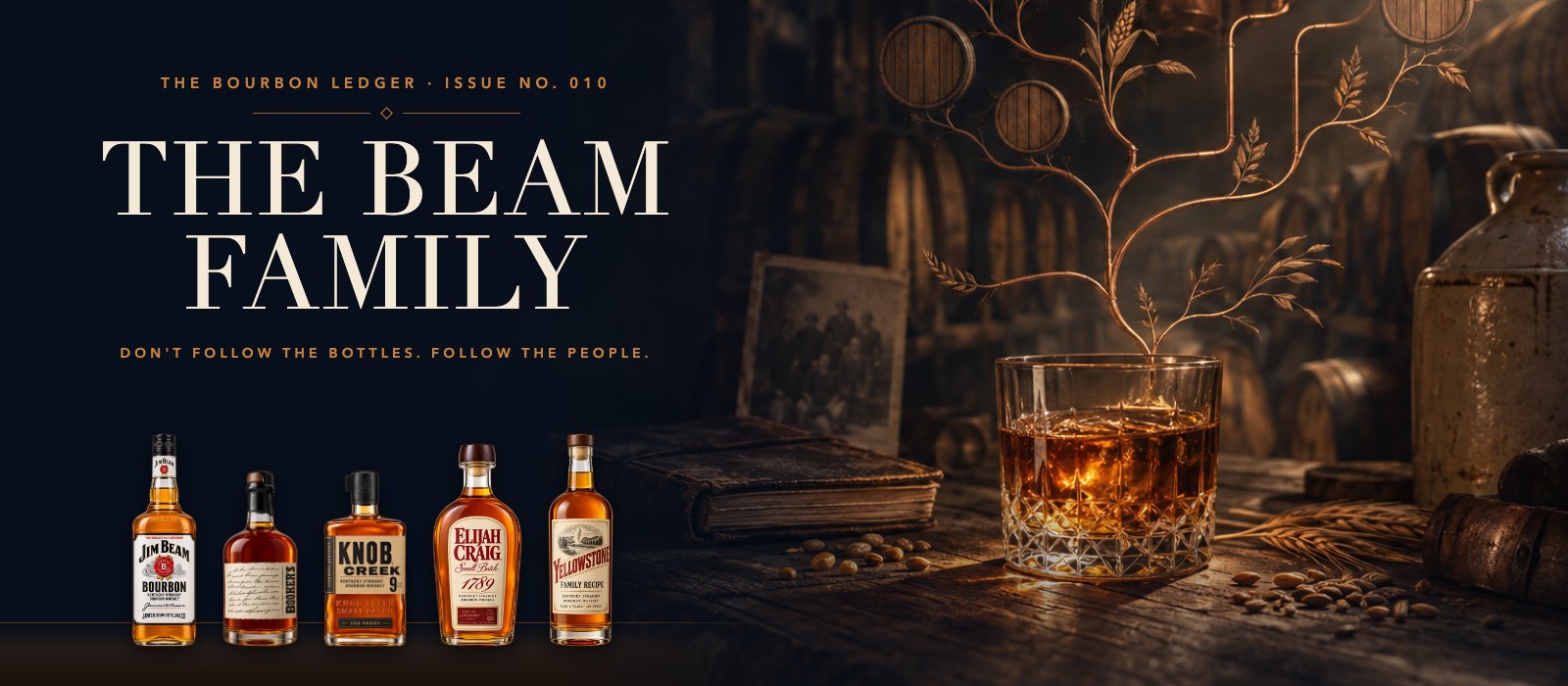
Issue No. 10 · October 1, 2026
The Beam Family
Subject: The Beam Family
Jim Beam is a bourbon brand. Beam is also a surname hiding all over the whiskey shelf — at a company that isn't Jim Beam, on a bottle Jim Beam doesn't own, and inside a yeast jug nobody can quite prove is what it claims to be. Don't follow the bottles. Follow the people.
-
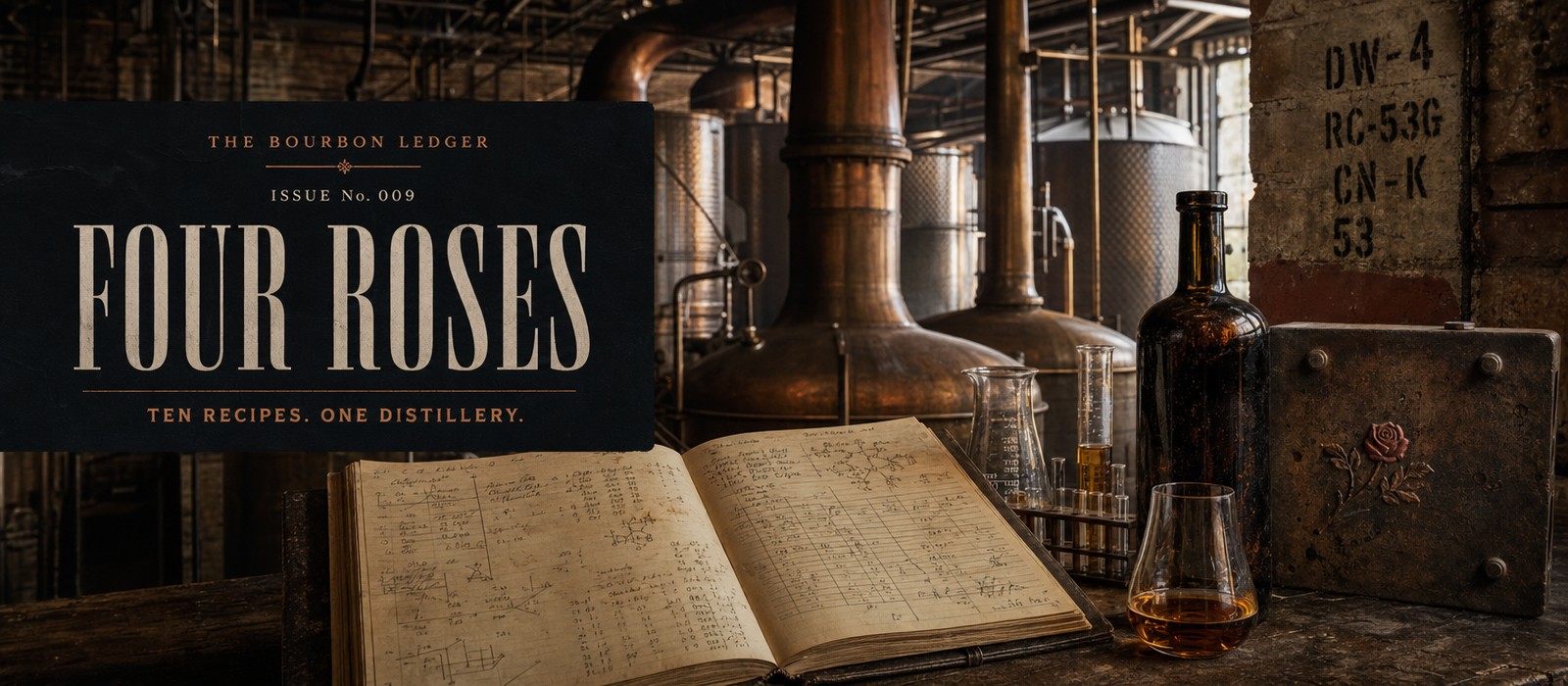
Issue No. 9 · September 24, 2026
Ten Recipes. One Distillery.
Subject: Four Roses
For decades, one of America's great bourbons was easier to buy in Japan than in America. Underneath, an unusual flavor system survived: 2 mash bills, 5 proprietary yeast strains, 10 bourbon recipes. Four Roses isn't simply a bourbon to drink — it's a bourbon system you can take apart.
-
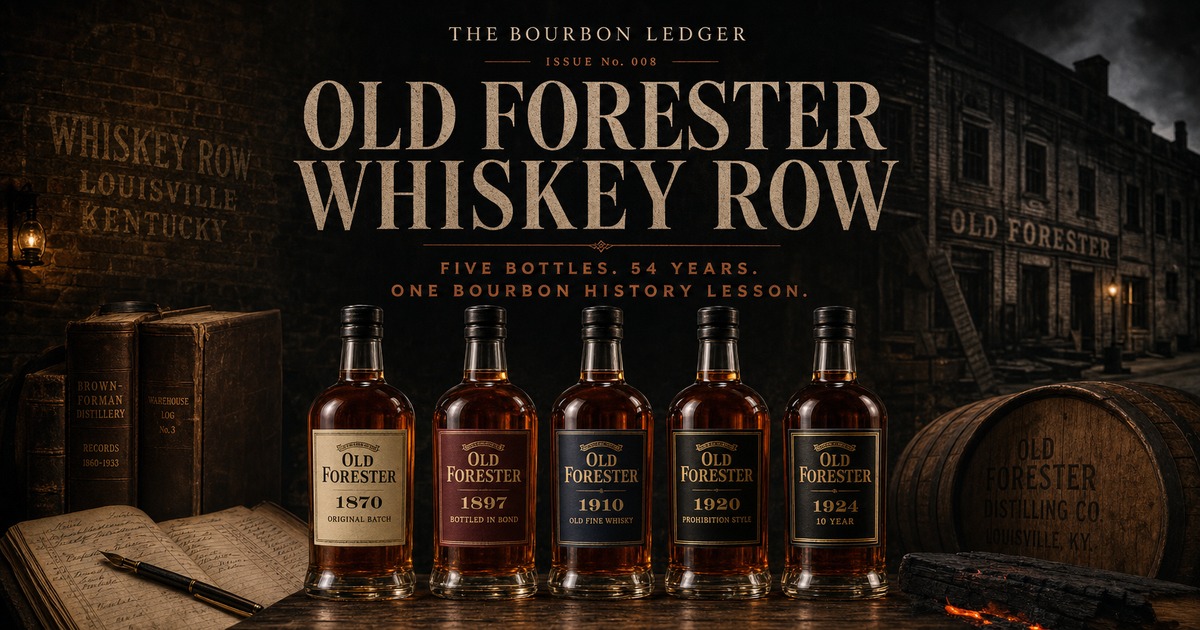
Issue No. 8 · September 17, 2026
Old Forester Whiskey Row
Subject: Old Forester
Most bourbon lineups show you different whiskey. This one shows you different history. The five bottles are built around five years — 1870, 1897, 1910, 1920, 1924 — and those numbers aren't age statements or batch codes. They're chapters.
-
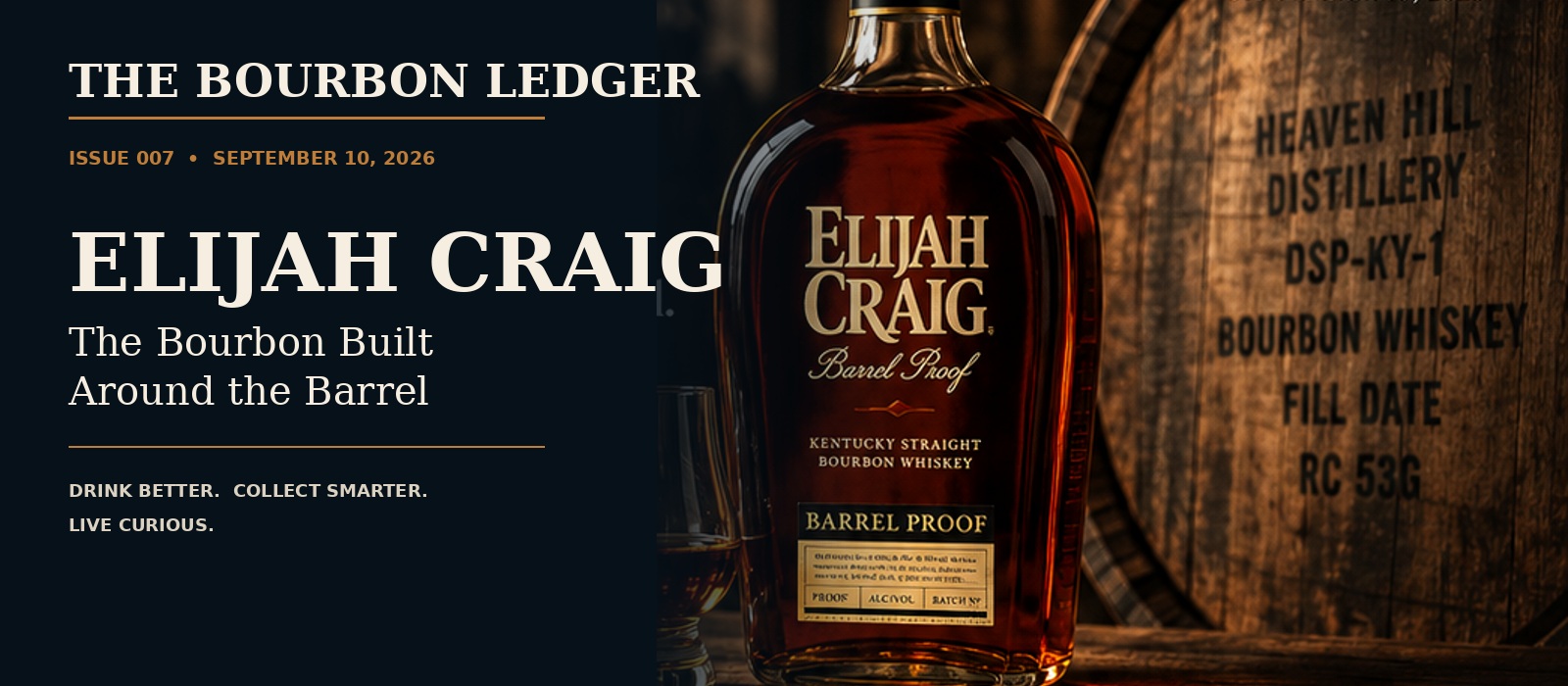
Issue No. 7 · September 10, 2026
Elijah Craig: The Bourbon Built Around the Barrel
Subject: Elijah Craig
The famous story says a Baptist preacher discovered what fire could do to oak. The modern whiskey makes a more useful argument: change the barrel, the proof, or the time—and you can make the same production family tell a very different story.
-
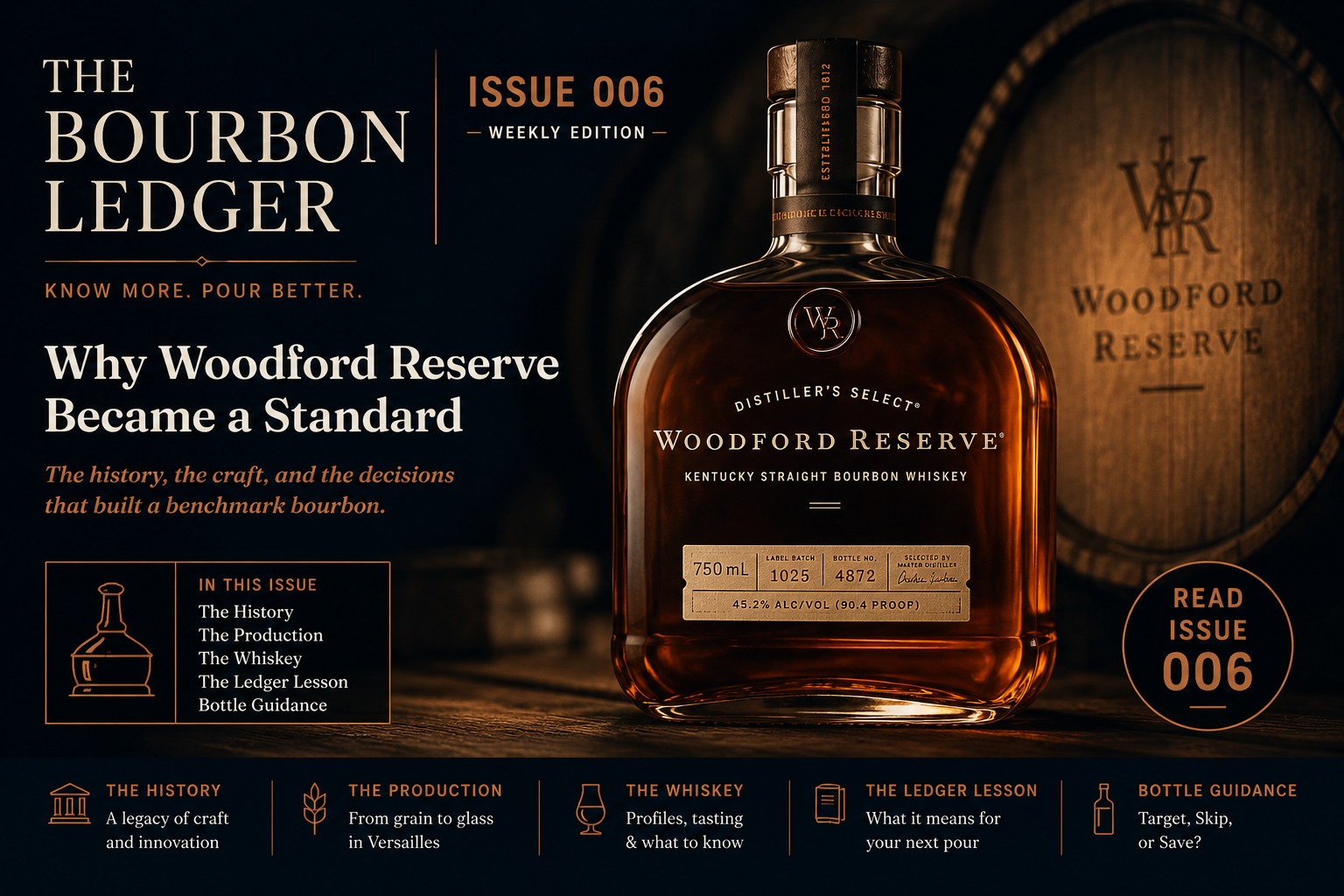
Issue No. 6 · September 3, 2026
Why Woodford Reserve Became a Standard
Subject: Woodford Reserve
Woodford Reserve is easy to overlook because it is everywhere. That ubiquity hides one of the most engineered production systems in mainstream bourbon: long fermentation, proprietary yeast, pot stills plus column stills, barrels made to specification, heat-cycled warehouses, careful batching and precise proofing.
-
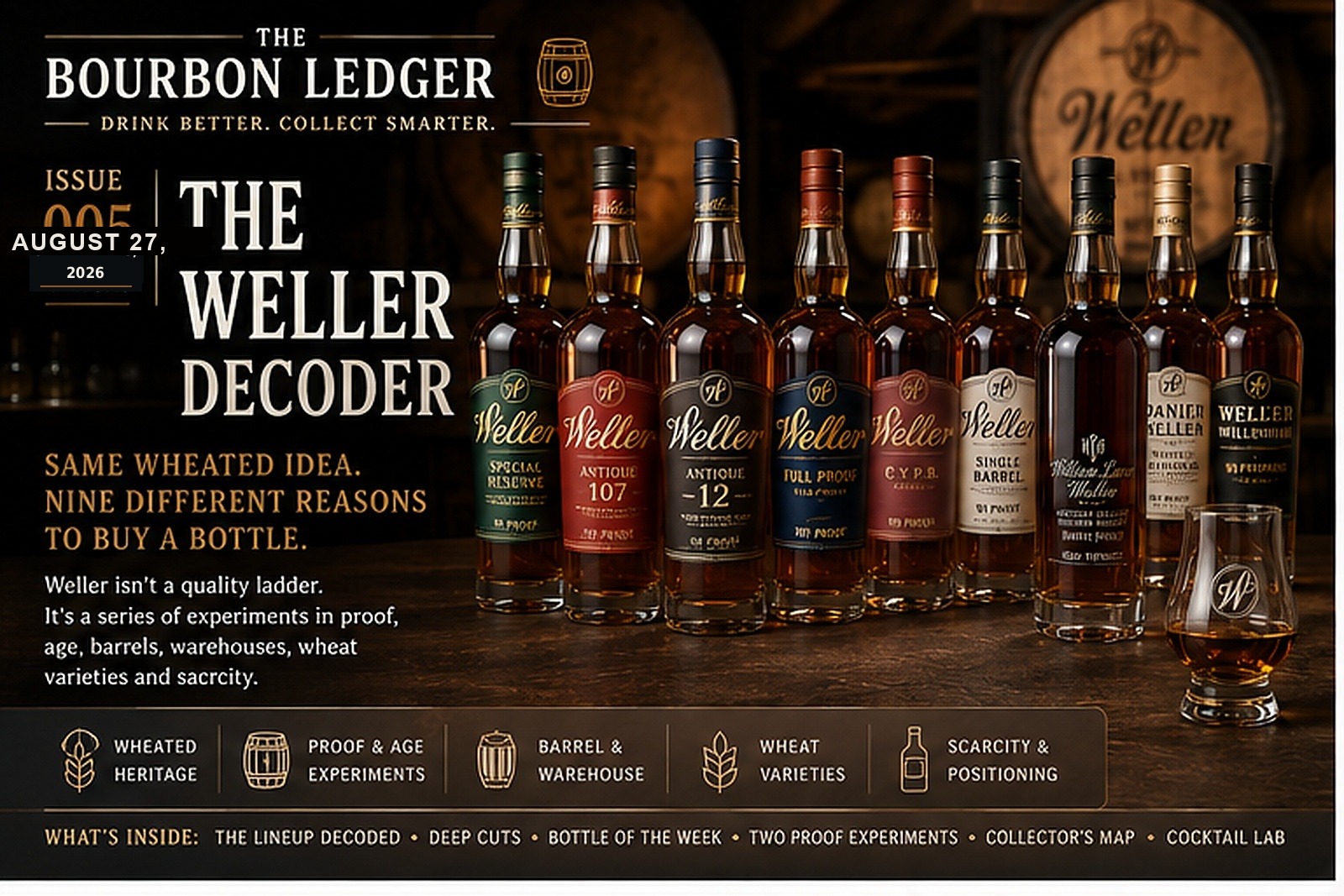
Issue No. 5 · August 27, 2026
The Weller Decoder
Subject: Weller
Few bourbon names create more irrational behavior than Weller. The mistake is assuming each bottle is simply a more expensive, better version of the one below it.
-
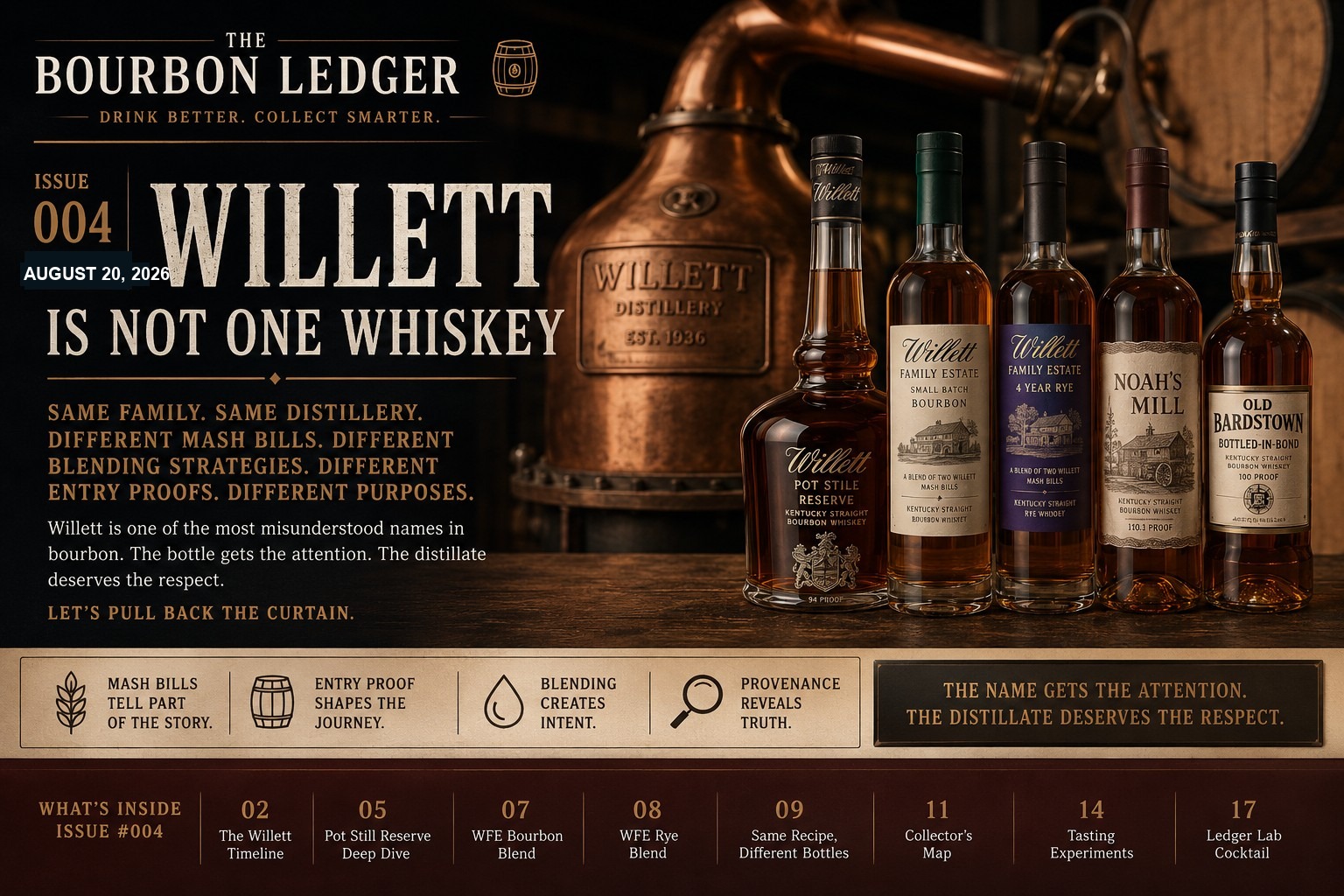
Issue No. 4 · August 20, 2026
Willett Is Not One Whiskey
Subject: Willett
Willett is one of Kentucky's most recognizable names and one of its easiest brands to misunderstand. The bottle on the shelf might be wheated. Or high-rye. Or a blend of two mash bills. Or a rye built from two different rye recipes. Same family name. Completely different whiskey architecture.
-
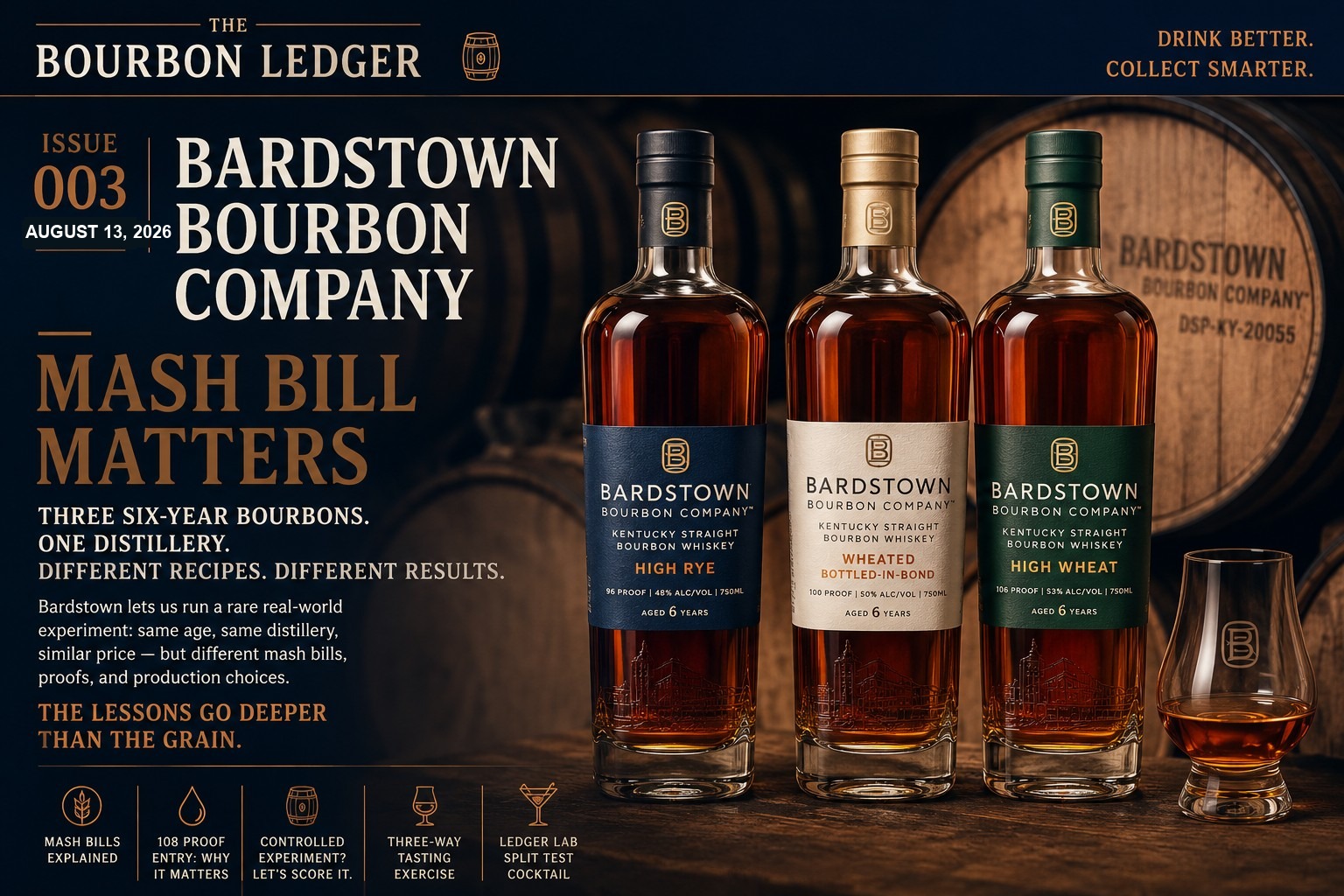
Issue No. 3 · August 13, 2026
Mash Bill Matters
Subject: Bardstown Bourbon Company
Bardstown Bourbon Company gives us something unusually useful: several six-year, estate-distilled bourbons from the same producer at similar prices, but with dramatically different grain recipes. That removes some of the noise that usually makes bourbon comparisons messy.
-
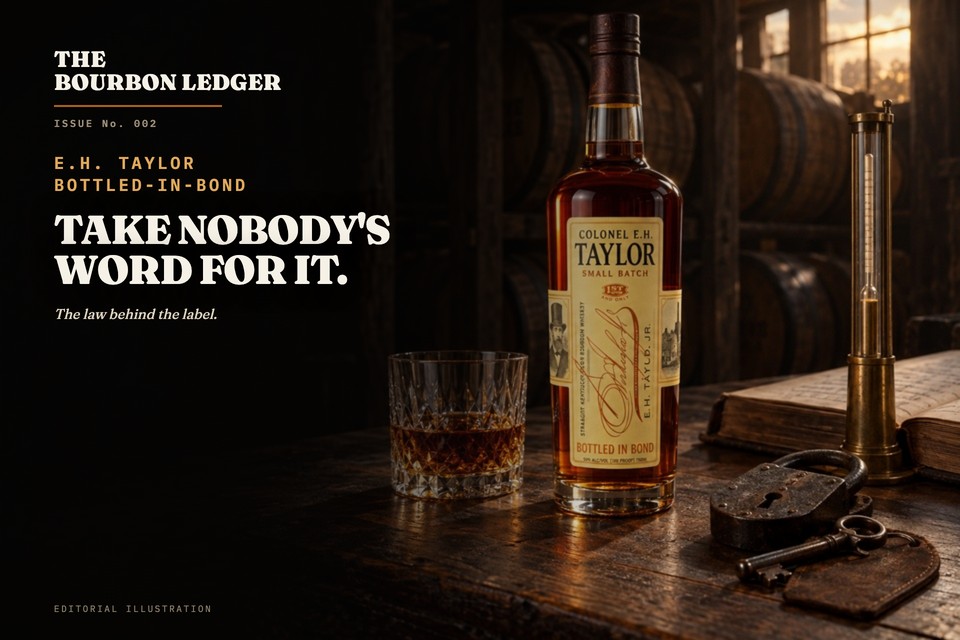
Issue No. 2 · August 6, 2026
Take Nobody's Word For It
Subject: E.H. Taylor / Bottled-in-Bond
In 1897 American whiskey got a law that let a buyer stop trusting people. The colonel whose name is on the modern bottle is a real part of that story — and a far more complicated man than the label suggests. Both facts make the law more interesting, not less.
-
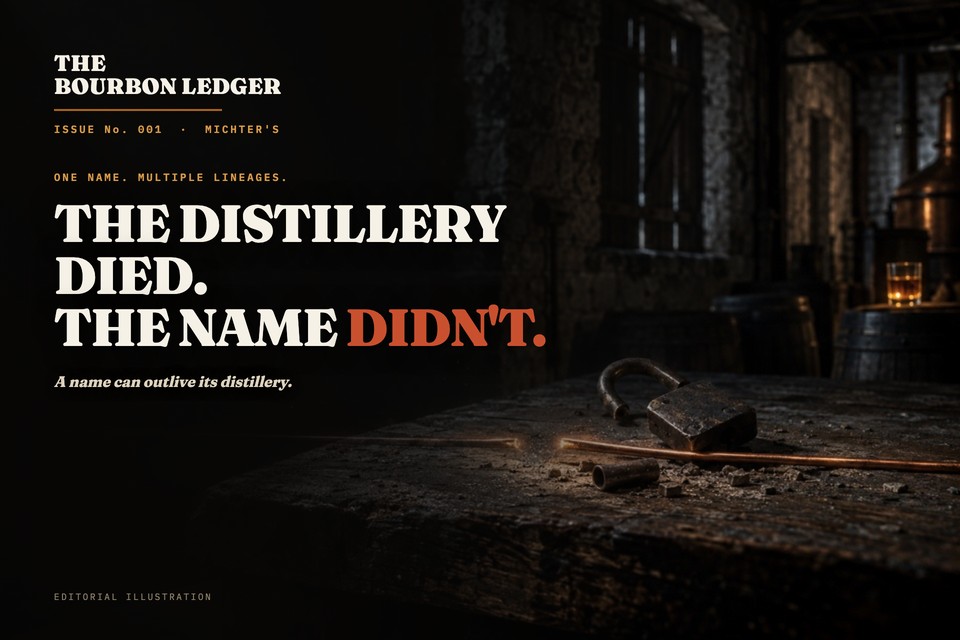
Issue No. 1 · July 30, 2026
The Distillery Died. The Name Didn't.
Subject: Michter's
Michter's sells you 1753. What the modern company actually acquired, it bought in 1997 — a lapsed trademark, for about $245. No whiskey, no formulas, no buildings. The gap between those two facts is the most useful lesson on the shelf.